The Wonderworld of
Stingless Bees
Tiny bees. Extraordinary worlds.
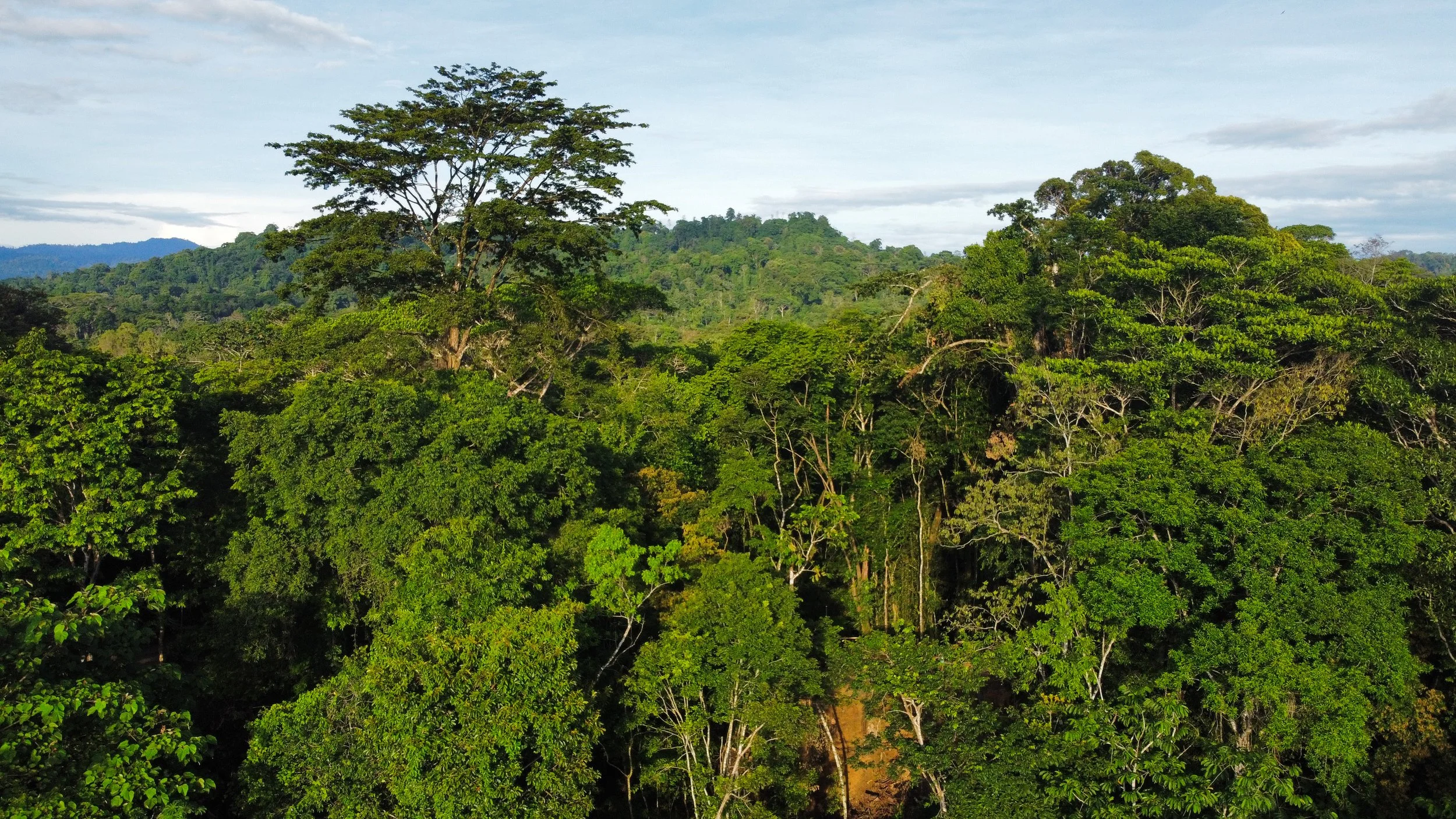
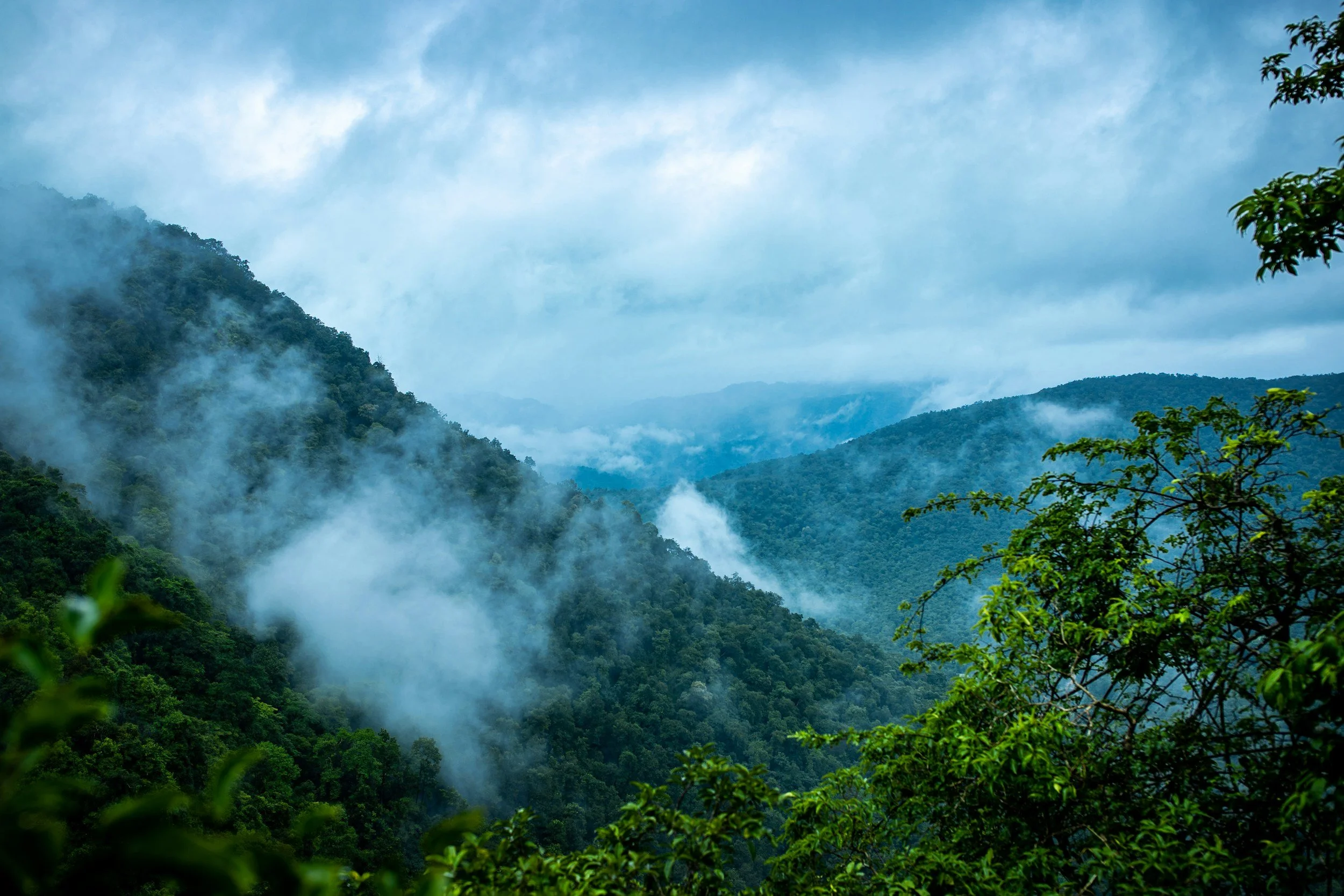
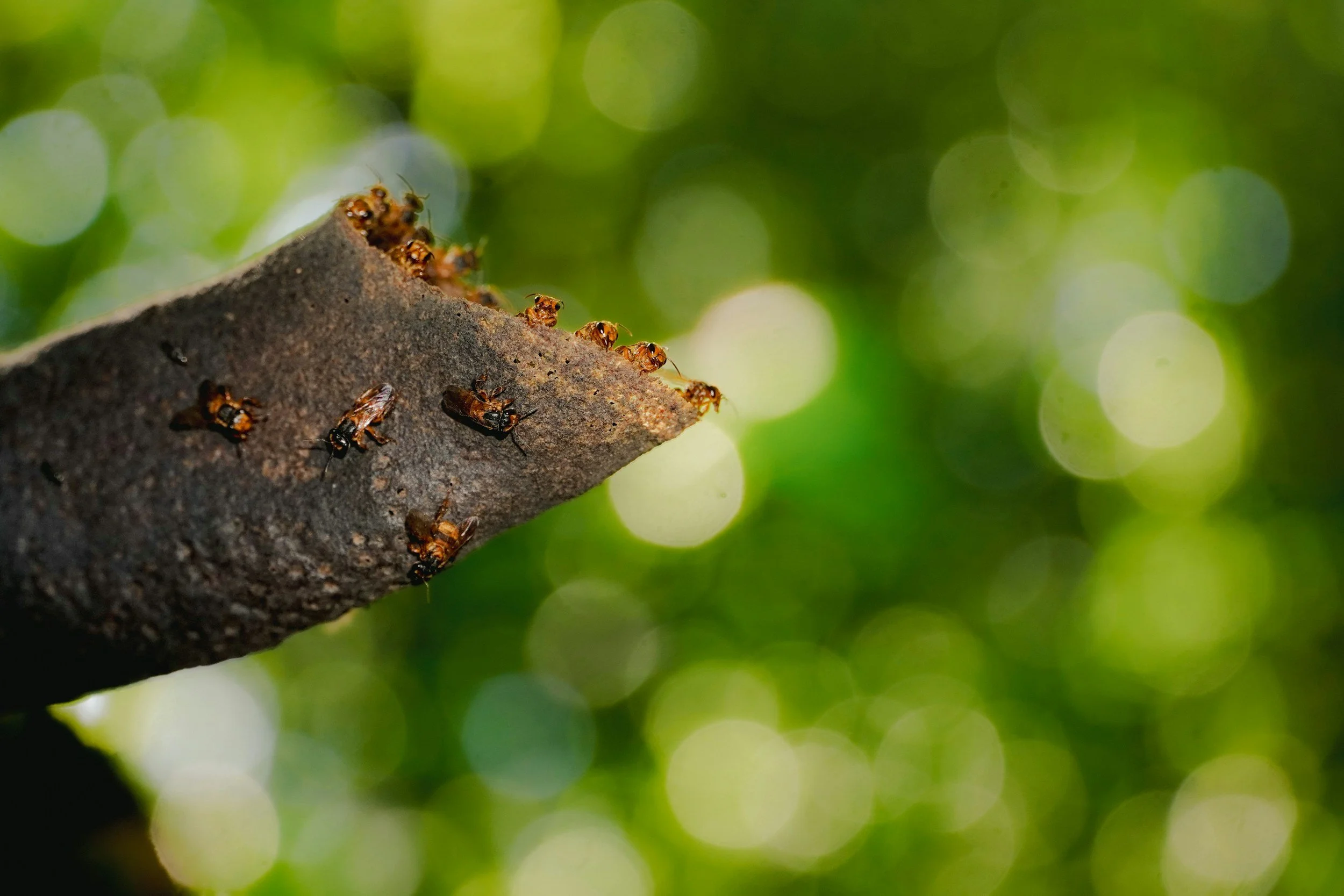
Hidden within the tropical forests of our planet lives a remarkable group of bees that many people have never heard of.
Stingless bees have shared the Earth with flowering plants for millions of years, quietly shaping forests through pollination while asking for almost nothing in return.
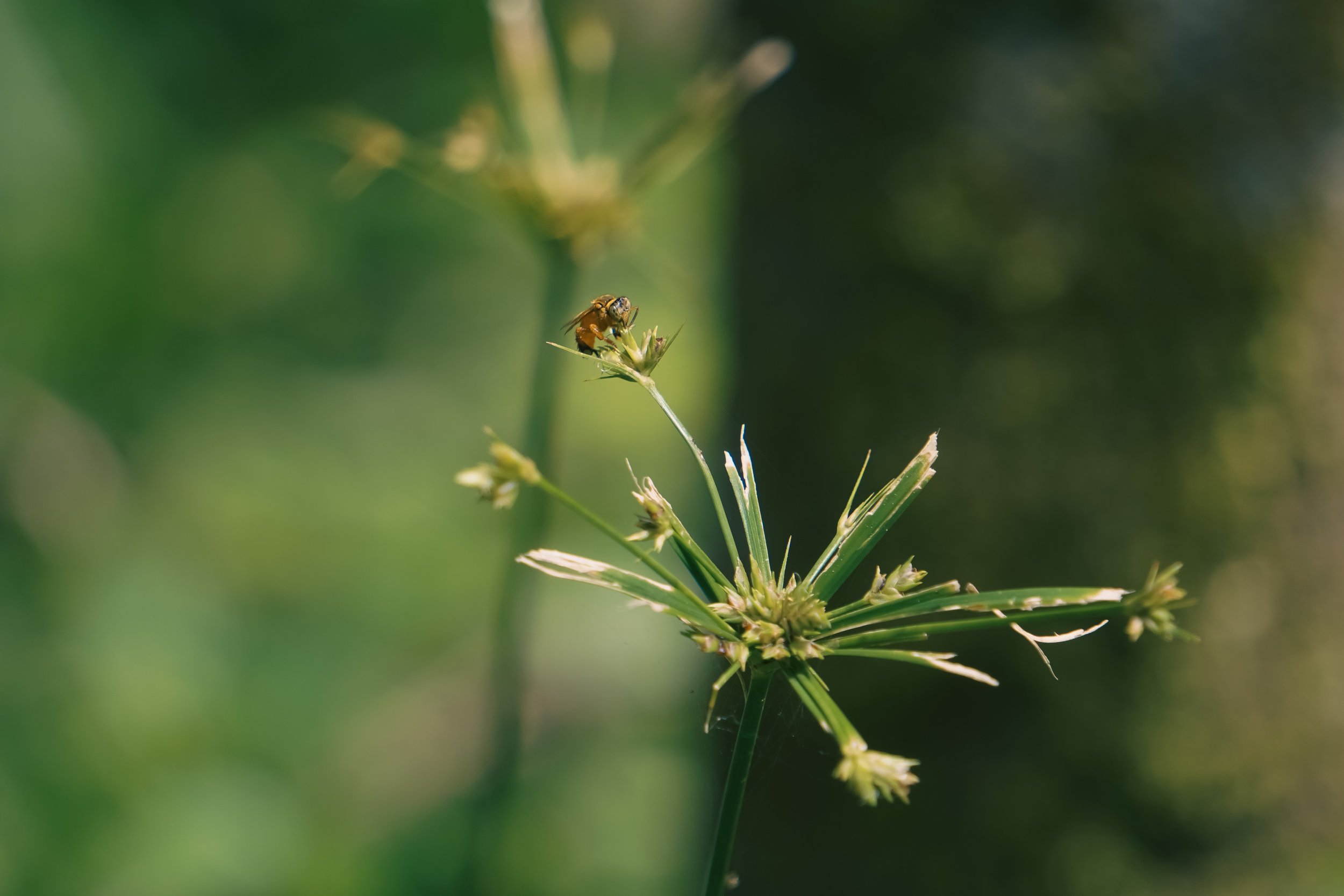
Small enough to fit on the tip of your finger, they are among the most important architects of tropical biodiversity.
Their world is one of cooperation, resilience and astonishing complexity.
Once you begin to observe them, it becomes impossible not to wonder.
Meet the stingless bees
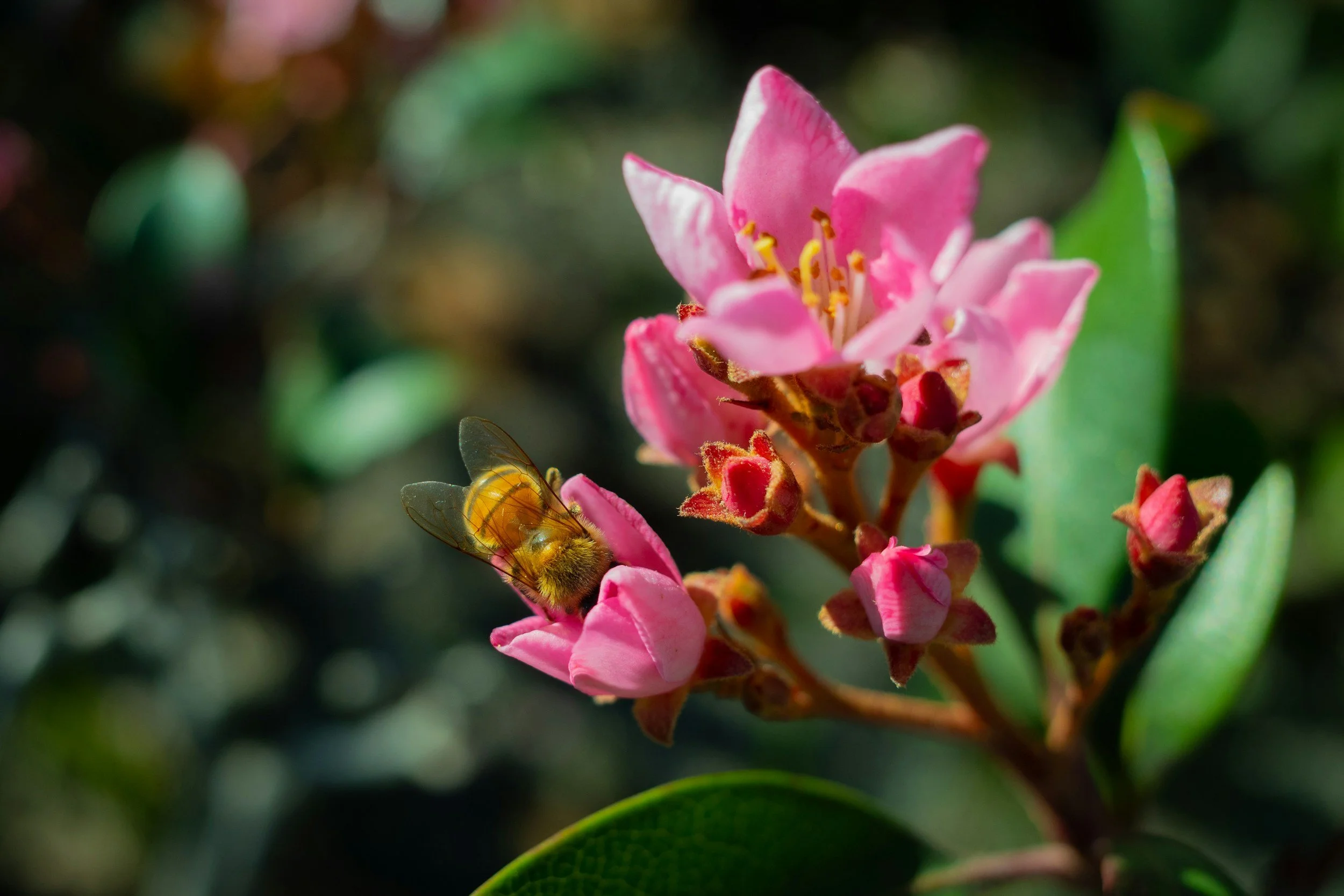
When most people imagine a bee, they picture the familiar honey bee.
Stingless bees belong to a different branch of the bee family. They are found throughout tropical and subtropical regions, where they have evolved alongside flowering plants for tens of millions of years.
Scientists have described more than 600 species, ranging from tiny bees only a few millimetres long to much larger species with remarkably diverse nesting habits.
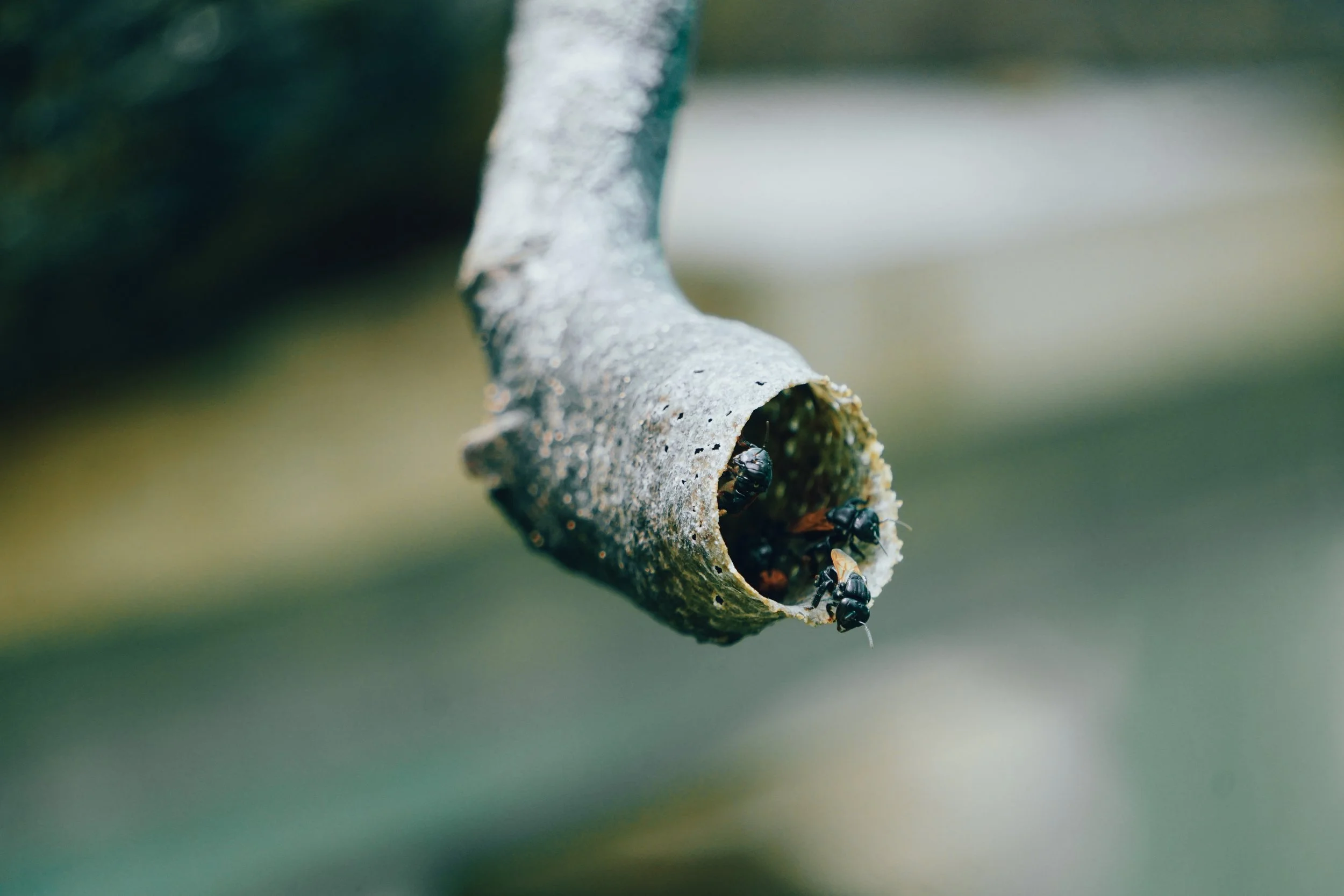
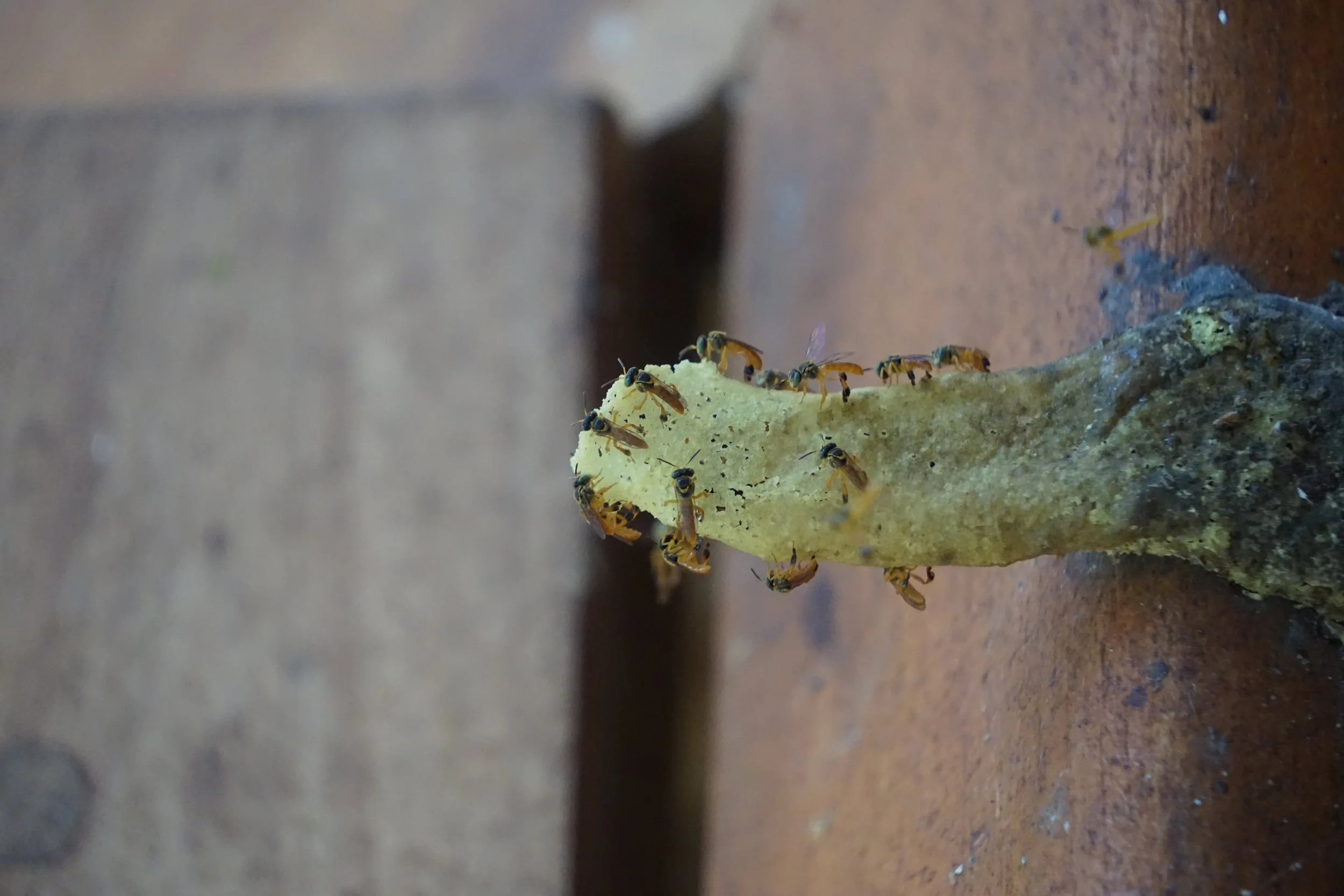
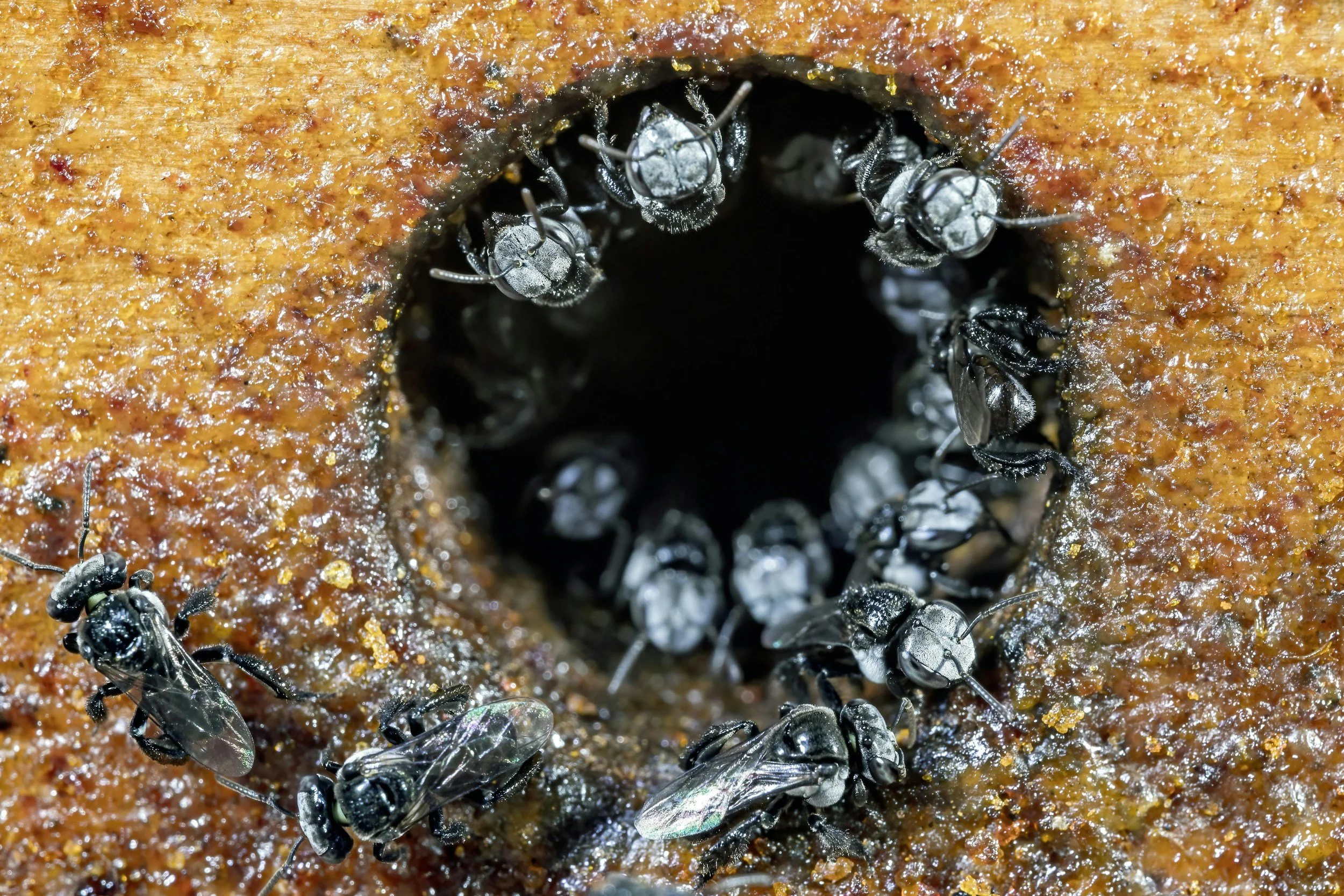
Unlike honey bees, stingless bees have developed different strategies for protecting their colonies. Rather than relying on a functional sting, they defend their nests using resin, narrow entrance tubes, alarm pheromones and collective behaviour.
Every species has its own appearance, personality and way of interacting with its environment.
Together they represent one of nature's greatest examples of evolutionary diversity.